No organisation stands still.
Employees join and leave. Teams restructure. New offices open. Businesses acquire other businesses. Customer expectations change. New technologies emerge.
And the communications environment supporting all of this needs to change too.
For larger organisations, the challenge isn't simply choosing a communications platform that meets today's requirements.
It's choosing an approach that gives you the flexibility to respond to tomorrow's.
Today's Requirements Won't Be Tomorrow's
Think about how much business communications have changed over the last few years.
The pace of change isn't slowing down.
A communications environment designed around a fixed set of requirements can quickly become restrictive when those requirements evolve.
A communications environment designed around a fixed set of requirements can quickly become restrictive when those requirements evolve.
Growth can create significant change within a communications environment.
- More employees need to be added.
- New teams may require different capabilities.
- New locations need to be connected.
- Acquisitions may bring entirely different communications technology into the organisation.
If the existing environment can't accommodate those changes easily, growth can result in another platform, another supplier or another workaround.
Over time, the complexity starts building again.
A scalable communications strategy should make it easier to accommodate growth without continually redesigning the environment around it.
Over time, the complexity starts building again.
A scalable communications strategy should make it easier to accommodate growth without continually redesigning the environment around it.
Different Teams Will Continue to Need Different Things
One of the challenges of enterprise communications is that requirements aren't uniform.
A finance team doesn't necessarily need the same communications functionality as a contact centre.
A customer service team may need call recording, reporting and quality assurance.
Another department may simply need reliable business calling through Microsoft Teams.
Those requirements can also change.
The answer doesn't have to be giving every employee every capability.
A more flexible approach allows organisations to introduce functionality where it's needed and expand it when requirements change.
New Capabilities Shouldn't Require a New Platform
What happens when the business identifies a new communications requirement?
Too often, the answer is another piece of technology.
That may solve the immediate problem, but it can also introduce another system for IT to manage, another supplier relationship and another source of data.
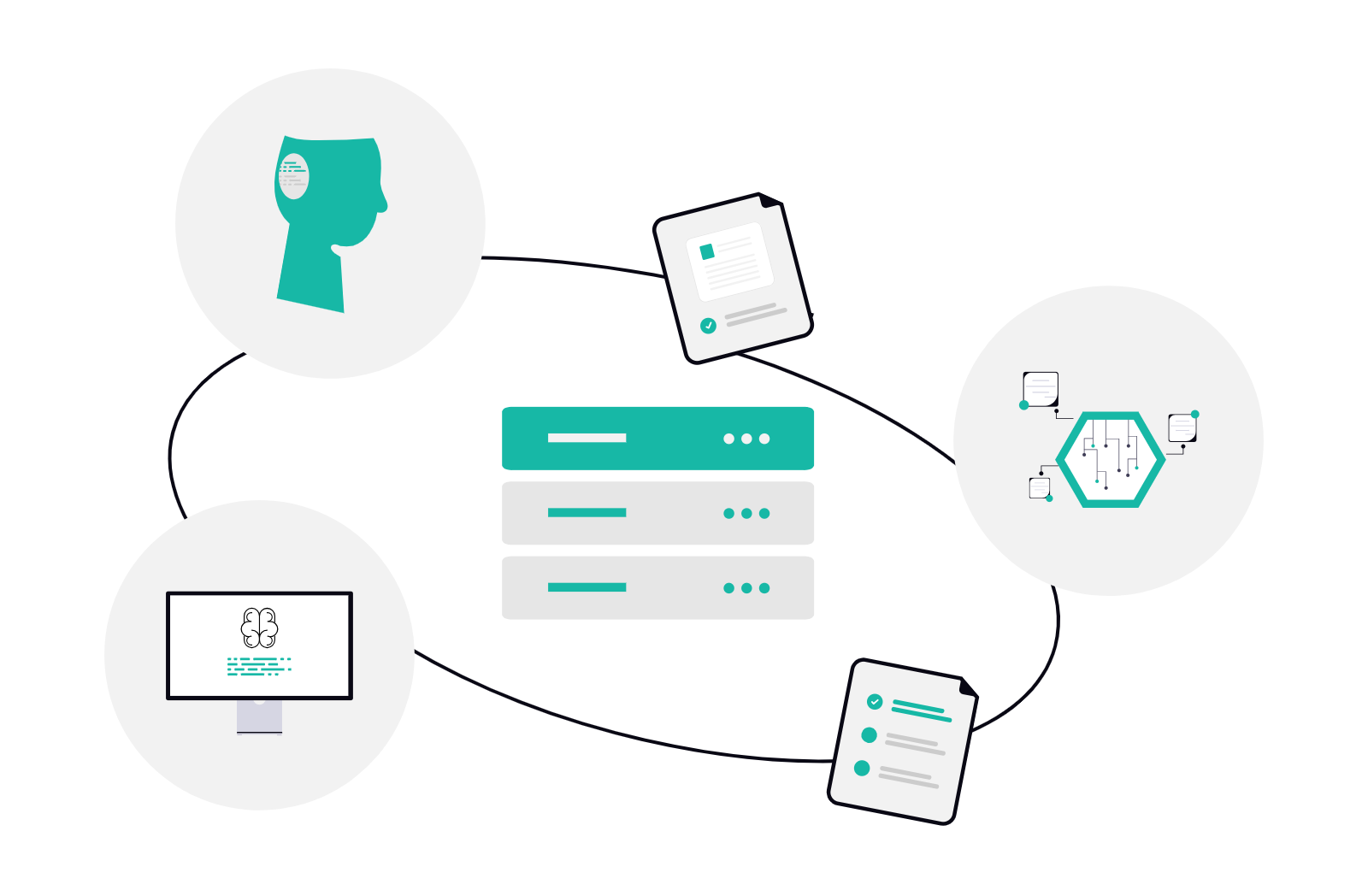
A modular platform can provide a different approach.
With C360, organisations can start with the capabilities they need and introduce additional modules as requirements evolve.
Instead of continually adding disconnected platforms, new capabilities can become part of the wider communications environment.
Think Beyond the Feature List
When reviewing an enterprise communications platform, it's natural to compare features.
But today's feature list only tells you what the platform can do now.
There are bigger questions worth asking.
But today's feature list only tells you what the platform can do now.
There are bigger questions worth asking.
The answers can tell you much more about whether a platform is right for the long term.
No one can predict exactly what their communications requirements will look like in five years.
And you shouldn't need to.
The goal is to create an environment flexible enough to respond when those requirements change.
For enterprise organisations, that means looking beyond what works today and considering whether the communications foundation you're building can support what comes next.
Because your organisation will change.
Your communications should be able to change with it.