We record thousands of calls, but understand very few.
AI sentiment analysis is rapidly changing how organisations approach customer conversations, yet many businesses still rely on traditional call recording alone.
Most organisations record customer calls. In many industries, it is a compliance requirement. In others, it is considered best practice for quality assurance and training.
Yet recording conversations and understanding them are two entirely different things.
Customer conversations are full of insight, yet most businesses only ever see a tiny fraction of it
While thousands of calls may be stored every month, only a small sample is ever reviewed. The rest sit in archives, effectively silent.
If you are recording everything but analysing very little, you are not alone. The real issue is not access to data. It is the ability to extract meaning from it.
Most organisations record customer calls. In many industries, it is a compliance requirement. In others, it is considered best practice for quality assurance and training.
Yet recording conversations and understanding them are two entirely different things.
Customer conversations are full of insight, yet most businesses only ever see a tiny fraction of it
While thousands of calls may be stored every month, only a small sample is ever reviewed. The rest sit in archives, effectively silent.
If you are recording everything but analysing very little, you are not alone. The real issue is not access to data. It is the ability to extract meaning from it.
The Gap Between Data and Understanding
A recorded call is simply raw data. Insight requires interpretation, context and pattern recognition.
Every interaction between an agent and a customer contains signals: frustration about a delayed order, hesitation before cancelling, confusion about a policy, enthusiasm about a new feature. However, most of that insight disappears the moment the conversation ends, without systematic analysis, those signals are lost.
Traditional approaches to call monitoring rely heavily on manual review and high-level reporting. While both serve a purpose, they leave significant blind spots.
Every interaction between an agent and a customer contains signals: frustration about a delayed order, hesitation before cancelling, confusion about a policy, enthusiasm about a new feature. However, most of that insight disappears the moment the conversation ends, without systematic analysis, those signals are lost.
Traditional approaches to call monitoring rely heavily on manual review and high-level reporting. While both serve a purpose, they leave significant blind spots.
Why Sampling Is No Longer Enough
For years, contact centres have relied on quality assurance sampling. A small number of calls per agent are selected each month and assessed against a checklist. This method was once practical and proportionate.
Today, however, contact volumes are higher, customer journeys are more complex, and regulatory scrutiny has increased. Reviewing a fraction of calls means decisions are based on a fraction of reality. Important patterns can go unnoticed simply because they did not appear in the sample.
Manual call reviews also struggle to keep pace with operational growth. As volumes rise, review capacity rarely increases at the same rate. The result is diminishing visibility at the very point when organisations need greater oversight. As highlighted in the Insights360 overview, manual call reviews do not scale
Today, however, contact volumes are higher, customer journeys are more complex, and regulatory scrutiny has increased. Reviewing a fraction of calls means decisions are based on a fraction of reality. Important patterns can go unnoticed simply because they did not appear in the sample.
Manual call reviews also struggle to keep pace with operational growth. As volumes rise, review capacity rarely increases at the same rate. The result is diminishing visibility at the very point when organisations need greater oversight. As highlighted in the Insights360 overview, manual call reviews do not scale
The Limits of Traditional Reporting
Many organisations believe their dashboards provide sufficient oversight. Metrics such as call volumes, average handle time and abandonment rates offer useful operational indicators.
However, dashboards primarily show what is happening, not why it is happening. They do not reveal why customers are repeatedly contacting support about the same issue, why cancellations are increasing, or why certain agents consistently achieve better outcomes.
Dashboards miss the “why,” and valuable feedback is often lost. To understand the root cause of performance shifts, organisations must analyse the conversations themselves.
However, dashboards primarily show what is happening, not why it is happening. They do not reveal why customers are repeatedly contacting support about the same issue, why cancellations are increasing, or why certain agents consistently achieve better outcomes.
Dashboards miss the “why,” and valuable feedback is often lost. To understand the root cause of performance shifts, organisations must analyse the conversations themselves.
What Leaders Actually Need To Understand
Operational leaders and compliance teams are not simply looking for surface-level metrics. They need confidence that agents are following required protocols, asking the correct questions and handling sensitive topics appropriately. They also need visibility into emerging risks before they become formal complaints or regulatory issues.
Without comprehensive analysis, managers are forced to rely on limited samples and anecdotal feedback. This creates uncertainty and increases exposure to avoidable risk.
Without comprehensive analysis, managers are forced to rely on limited samples and anecdotal feedback. This creates uncertainty and increases exposure to avoidable risk.
Moving From Call Recording to Conversational Intelligence
This is where conversational intelligence changes the equation. Rather than sampling calls, AI-powered systems can analyse 100 percent of recorded interactions. By converting speech into text and applying natural language processing, these systems identify recurring themes, detect compliance triggers and assess sentiment across entire datasets.
Instead of manually searching for problems, organisations can automatically surface trends, risks and opportunities. Patterns that would have taken months to uncover through sampling can be identified in days or even hours.
Instead of manually searching for problems, organisations can automatically surface trends, risks and opportunities. Patterns that would have taken months to uncover through sampling can be identified in days or even hours.
The Role of AI Sentiment Analysis
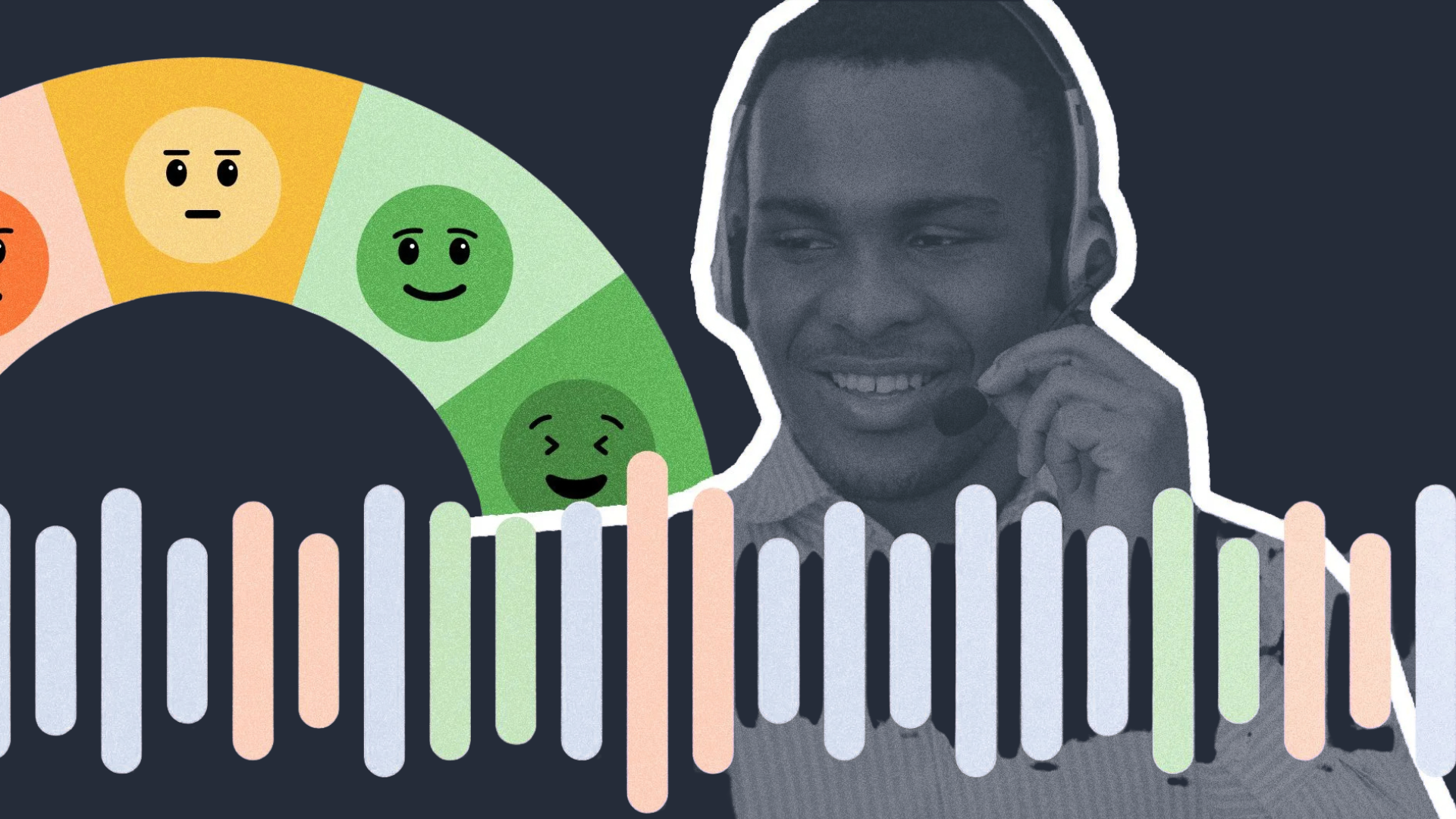
Sentiment analysis plays a critical role in this process. It examines the emotional tone within a conversation, identifying signals such as frustration, satisfaction, urgency or hesitation.
When applied consistently across every call, sentiment analysis reveals patterns that would otherwise remain hidden. For example, a gradual increase in negative sentiment around a particular product or policy may indicate a wider issue long before complaint volumes rise. Similarly, positive sentiment patterns may highlight effective agent behaviours that can be replicated across teams.
Analysing sentiment at scale allows organisations to shift from reactive problem-solving to proactive improvement.
When applied consistently across every call, sentiment analysis reveals patterns that would otherwise remain hidden. For example, a gradual increase in negative sentiment around a particular product or policy may indicate a wider issue long before complaint volumes rise. Similarly, positive sentiment patterns may highlight effective agent behaviours that can be replicated across teams.
Analysing sentiment at scale allows organisations to shift from reactive problem-solving to proactive improvement.
The Strategic Advantage of Analysing Every Conversation
When every call is analysed rather than just a sample, blind spots shrink. Coaching becomes evidence-based rather than anecdotal. Compliance monitoring becomes systematic rather than reactive. Product and service teams gain direct insight into recurring customer pain points.
Insights360 was built around this principle: analyse 100 percent of calls so that critical insight is not missed. By surfacing sentiment, trends, risks and opportunities automatically, it transforms recorded conversations into actionable intelligence. Because every call is telling you something. The competitive advantage lies not in how many calls you record, but in how well you understand them.
Insights360 was built around this principle: analyse 100 percent of calls so that critical insight is not missed. By surfacing sentiment, trends, risks and opportunities automatically, it transforms recorded conversations into actionable intelligence. Because every call is telling you something. The competitive advantage lies not in how many calls you record, but in how well you understand them.